
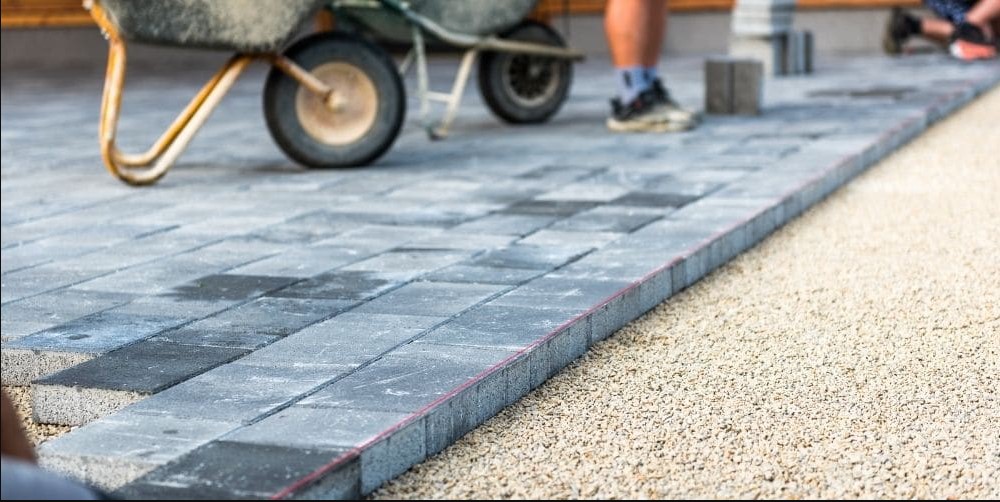

Here’s one that trips up plenty of homeowners: you can’t just pave over your front garden any more without considering where the rainwater is going. Planning standards now cover the paving of Cork driveways, with specific reference to surface water drainage, and neglecting them can lead to an unpleasant letter from the council later.
At the moment, if you’re paving a front garden area larger than a certain size with a non-permeable surface, you usually need planning permission or must use a permeable alternative. Think gravel, permeable block paving or resin-bound systems that allow water to drain through rather than running straight onto the road.
Why is this so important? Cork is a wet place and in many neighbourhoods, ancient drainage systems are already challenged by severe rains. Any driveway that is securely paved with no place for water to go adds pressure to that system.
How to Stay Compliant With Paving Cork Projects
There are three ways to keep compliant with most Paving Cork driveway projects:
- Choose permeable paving that allows rain to soak into the earth beneath.
- Run the water to a soakaway on your property, not to the public drain.
- Keep the impervious area below the level that triggers planning requirements.
A good contractor will bring this up with you before work begins, not after. If they don’t address drainage during the first consultation, that’s a warning sign.
Getting the Falls Right
Where permission is not a problem, the real gradient of the surface is quite important. Water needs somewhere to go, and an improperly constructed driveway will collect water right at the front door or, even worse, send it rushing back toward the home’s foundations.
The fix is not complicated. A one to two percent fall away from the building, combined with a suitable drainage channel where needed, prevents most drainage problems before they occur. It’s the kind of detail you don’t notice when it’s done correctly, but you definitely notice when it’s wrong.
If you’re planning Paving Cork work this year, it’s worth making a quick call to Cork City Council or the county council planning office to confirm what applies to your property. Requirements can vary slightly depending on whether your home is within the city limits or elsewhere in the county, and a five-minute call could save you significant problems later.
What Happens if You Break the Rules?
Ignoring drainage regulations is not just a paperwork issue. It can also create problems for neighbouring properties. Water that would normally soak into a garden may instead run onto shared roads or nearby land, creating disputes and potential damage.
In more serious cases, local authorities may require retrospective changes to non-compliant Paving Cork installations. This could involve removing and rebuilding completed work, which is an expensive lesson that can easily be avoided with proper planning.
Understanding Soakaways
A soakaway is a hole filled with stone or a specially designed crate system installed beneath the paved area. It allows collected rainwater to gradually soak into the surrounding soil instead of flowing off the property.
For many Paving Cork projects, installing a correctly sized soakaway is the easiest way to remain compliant without changing the chosen paving material.
Why Soakaway Size Matters
The size of the soakaway is important. If it’s too small, it can overflow during heavy rainfall and fail to do its job properly.
A contractor familiar with local soil conditions should be able to calculate the appropriate size based on the paved area and the average rainfall expected in the region.
Final Practical Tip
Before excavation begins, it’s worth finding out where existing utility lines run beneath your garden. Unexpectedly hitting underground services can quickly turn a straightforward project into a costly delay.