
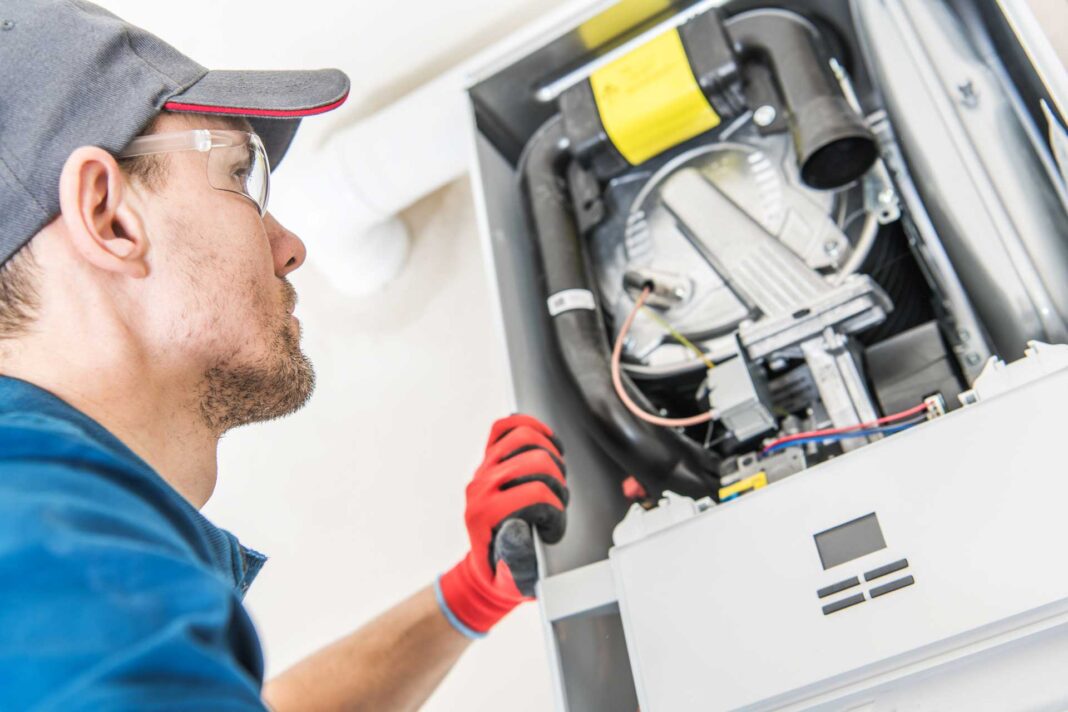

A dependable heating system is essential when winter temperatures drop across eastern Nebraska. Your furnace works to distribute warm air throughout your home, maintaining comfortable indoor temperatures during freezing conditions. However, continuous operation, worn components, restricted airflow, and neglected maintenance can affect heating performance. A furnace that struggles to maintain the desired temperature also places additional demands on its components.
Recognizing these issues early helps homeowners avoid unexpected heating interruptions. Professional furnace repair in Papillion, NE focuses on identifying the source of equipment problems and restoring dependable operation. Understanding common furnace failures, repair considerations, and preventive maintenance practices helps you make informed decisions about your home’s heating system.
Why Furnaces Develop Heating Problems
Furnaces contain several interconnected components that must work together to generate and distribute heat. A problem with one component can affect the entire heating cycle.
One common issue involves restricted airflow. Dirty air filters collect dust and other airborne particles, reducing the amount of air passing through the system. This can contribute to overheating, reduced heating output, and repeated system shutdowns.
Other possible problems include:
- Worn blower motor components.
- Faulty thermostats or temperature sensors.
- Ignition system malfunctions.
- Damaged electrical connections.
- Dirty burners or restricted combustion airflow.
- Problems with the furnace control board.
- Blocked condensate drainage in applicable high-efficiency models.
Because different furnace types have different operating requirements, proper diagnosis is necessary before replacing components.
Signs Your Papillion Furnace Needs Repair
A furnace rarely stops working without displaying warning signs. Paying attention to changes in performance helps you address problems before complete system failure.
Uneven Heating
If some rooms feel comfortable while others remain cold, the problem could involve restricted ductwork, airflow imbalances, blower performance, or thermostat placement.
Unusual Operating Noises
Rattling, grinding, squealing, or repeated banging sounds deserve attention. Loose panels, worn bearings, damaged blower components, and ignition problems can produce unusual noises.
Frequent Cycling
A furnace that repeatedly starts and stops without completing normal heating cycles might have an airflow restriction, thermostat issue, overheating problem, flame sensor fault, or improperly sized equipment.
Rising Energy Consumption
A sudden increase in heating costs without a corresponding change in usage can indicate reduced system efficiency. Check the furnace’s Annual Fuel Utilization Efficiency (AFUE) rating when evaluating its energy performance, as a lower-efficiency system can use more fuel to provide the same amount of heat.
Weak Airflow
If warm air barely reaches your rooms, the air filter, blower assembly, ductwork, or other airflow components require inspection.
What Happens During Professional Furnace Repair?
A proper repair begins with a systematic inspection rather than immediately replacing parts.
A technician typically evaluates the thermostat, electrical connections, ignition components, burners, blower assembly, air filter, and safety controls. The inspection also considers airflow and temperature differences across the heating system.
Depending on the findings, the repair could involve:
- Replacing a faulty thermostat or sensor.
- Cleaning or servicing burner components.
- Repairing electrical connections.
- Addressing blower motor problems.
- Correcting airflow restrictions.
- Replacing defective ignition components.
Gas furnaces require particular attention to combustion performance and safety controls. If you smell gas, leave the building without operating electrical switches and contact your gas utility or emergency services from a safe location. Because fuel-burning furnaces can produce carbon monoxide, keep a working carbon monoxide (CO) detector on every level of the home and outside sleeping areas, and follow the manufacturer’s instructions for testing and replacement.
Furnace Maintenance That Helps Prevent Breakdowns
Preventive care helps keep your heating equipment operating reliably throughout the colder months.
Replace air filters: Check filters regularly and follow the manufacturer’s replacement recommendations. As a general baseline, inspect the filter monthly and replace it about every 1 to 3 months, depending on the filter type, household conditions, and system usage. Homes with pets, construction dust, or heavy system usage often require more frequent attention.
Keep vents unobstructed: Furniture, rugs, and curtains should not block supply registers or return-air grilles.
Check thermostat settings: Use appropriate temperature settings and replace thermostat batteries when required.
Maintain the surrounding area: Keep storage materials and combustible objects away from furnace equipment.
Arrange seasonal inspections: Professional maintenance helps identify worn components, airflow problems, and developing mechanical issues before winter demand increases.
When Should You Repair or Replace a Furnace?
Repair is often appropriate when the equipment has a manageable component failure and sufficient remaining service life. Replacement deserves consideration when the furnace experiences repeated breakdowns, requires expensive repairs, or struggles to provide consistent heating. As a general guideline, replacement becomes more reasonable when a furnace is more than 15 years old, has very low efficiency, or a repair would cost more than about half the price of a comparable replacement.
Compare repair costs, equipment age, energy performance, and expected future maintenance requirements before deciding.
Restore Reliable Heating in Your Papillion Home
A properly functioning furnace protects indoor comfort during Nebraska’s coldest months. Addressing unusual noises, uneven temperatures, and repeated cycling helps prevent minor problems from becoming major disruptions.
When heating performance declines, arrange professional furnace repair in Papillion, NE to identify the problem and determine the appropriate solution. Schedule an inspection before the next cold spell and keep your home’s heating system prepared for winter.