
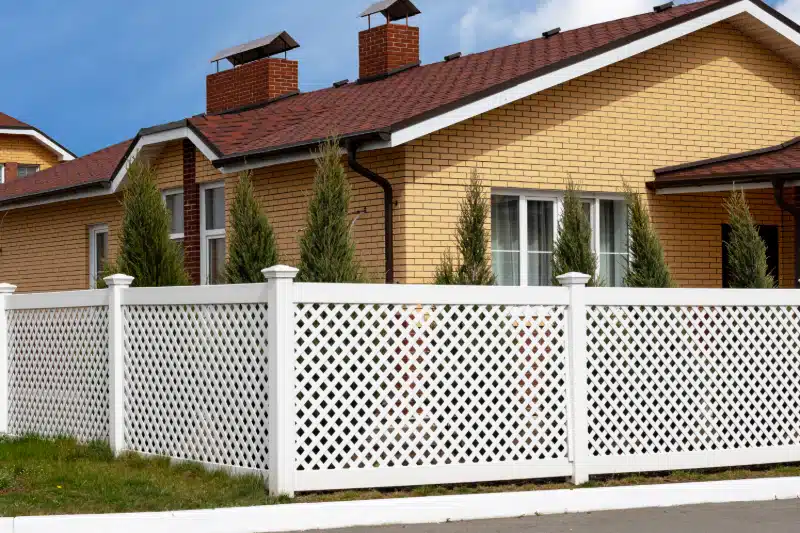

A well-designed fence does more than mark the edge of your property. It provides privacy, improves security, creates safe outdoor spaces, and adds structure to your landscape. Whether you want to protect children and pets, establish clear property boundaries, or improve your backyard’s appearance, selecting the right fencing system requires careful planning. Material selection, installation conditions, and long-term maintenance all influence how well your fence performs.
Before arranging fence installation in Wilmington, MA, consider how you intend to use your outdoor space. A homeowner looking for backyard privacy has different requirements from someone who needs an attractive front-yard boundary or a secure enclosure for pets. Identifying your priorities helps narrow the available options and ensures your investment meets practical and aesthetic expectations.
Identify Your Main Fencing Requirements
Start by determining what you expect your fence to accomplish. This decision influences its height, design, material, and placement.
Common residential fencing objectives include:
- Privacy: Solid panels help limit visibility into outdoor living areas.
- Security: Properly positioned fencing establishes a physical boundary around your property.
- Pet containment: Appropriate fence height and spacing help prevent pets from escaping.
- Child safety: Enclosed outdoor areas provide an additional boundary around play spaces.
- Curb appeal: Decorative fencing complements landscaping and architectural features.
- Property definition: Fencing makes outdoor boundaries easier to recognize.
Consider your property’s layout before selecting a design. Slopes, existing landscaping, trees, driveways, and access points can affect the final installation.
Compare Popular Residential Fence Materials
Different materials offer different advantages in appearance, durability, maintenance, and cost. Chain-link fencing is generally one of the more budget-friendly options, while wood can provide a moderate-cost balance between appearance and function. Vinyl typically costs more upfront, while aluminum is often a higher-cost choice for decorative applications. Actual costs vary based on fence size, design, site conditions, and installation requirements.
Vinyl Fencing
Vinyl fencing is popular among homeowners who prefer a clean appearance without regular painting or staining. It resists moisture and does not rust, making it suitable for outdoor applications.
Available styles include privacy panels, picket designs, and decorative options. However, homeowners should select quality products and follow manufacturer recommendations for cleaning and care.
Wood Fencing
Wood provides a traditional appearance that complements many residential properties. Cedar and pressure-treated lumber are common options for outdoor fencing.
Wood offers flexibility in design, including horizontal boards, vertical panels, and decorative pickets. However, it requires periodic maintenance to protect against moisture, weather exposure, and deterioration.
Aluminum Fencing
Aluminum fencing provides an open appearance while establishing a clear property boundary. It is particularly useful for decorative applications around front yards, gardens, and certain pool areas.
Aluminum resists rust and generally requires less maintenance than traditional iron fencing. Its open design, however, provides limited privacy.
Chain-Link Fencing
Chain-link fencing is a practical option for defining larger outdoor areas and containing pets. It offers visibility through the enclosure and generally requires relatively little maintenance.
Privacy slats can improve screening, although they change the fence’s appearance and add material costs.
Understand Property Boundaries Before Installation
One of the most important preparation steps involves confirming where your fence should be installed. Existing landscaping, old fences, and visible markers do not necessarily establish legally accurate property boundaries.
Review your property documents and arrange a boundary survey or review a recorded plot plan when the precise location of a property line is uncertain. A survey or recorded plot plan provides a practical reference for determining where the fence should be placed rather than relying on an old hedge, fence, or other informal marker.
Also, investigate local zoning requirements, fence height restrictions, setback rules, and applicable permitting requirements in Wilmington. Local height limits may differ between front and rear yards, so confirm the applicable requirements before finalizing the fence design. Pool enclosures and other specialized fencing applications can have additional safety requirements.
Checking these details before construction helps prevent disputes, compliance problems, and expensive modifications.
Prepare Your Yard for Fence Installation
Proper site preparation contributes to a stable and attractive finished fence.
Before installation, identify underground utilities and arrange the required utility-location service. In Massachusetts, homeowners should call the free utility marking service before digging post holes so underground electrical, gas, water, or communication lines can be identified and marked. Digging without checking for buried electrical, gas, water, or communication lines creates serious safety risks.
Your property should also be evaluated for:
- Changes in ground elevation.
- Tree roots and vegetation.
- Existing concrete or landscaping obstacles.
- Drainage patterns and areas prone to standing water.
- Gate locations and vehicle access requirements.
On sloped properties, installers must determine how to accommodate elevation changes. Depending on the design, they might use stepped panels or follow the terrain with a consistent slope.
Why Professional Installation Matters
Fence performance depends on proper post placement, footing depth, alignment, and material handling.
Posts must be positioned securely in concrete footings and installed to an appropriate depth below the local frost line to help prevent movement caused by winter freezing and thawing. Homeowners can ask contractors to state the planned post depth below the frost line so installation specifications can be compared.
Improper spacing or inadequate support can result in leaning sections, loose connections, and premature damage.
Professional installers evaluate the site, establish the fence layout, and select appropriate installation methods for the chosen material.
They also help coordinate gates, corners, transitions, and other details that influence the finished appearance. Gate hardware should also be appropriately sized for the weight and use of the gate to support reliable operation.
Maintain Your Fence for Long-Term Performance
Routine maintenance protects your investment and helps identify minor problems before they become expensive repairs.
For vinyl and aluminum fences, periodically remove dirt and inspect connections, posts, and gates. Wood fences require closer attention to moisture exposure, loose boards, surface damage, and protective coatings.
Chain-link fencing should be checked for loose connections, damaged mesh, and leaning posts.
Inspect your fence after severe weather and address damaged sections promptly.
Plan a Fence That Meets Your Property Needs
Choosing the right fence requires balancing privacy, security, appearance, material performance, and installation requirements. Taking time to evaluate your property before construction helps prevent unnecessary changes and supports a more satisfactory result.
If you are considering fence installation in Wilmington, MA, discuss your preferred design, property layout, and material options with a fencing professional. Request an installation estimate and plan a fence that complements your home while meeting your outdoor living requirements.