
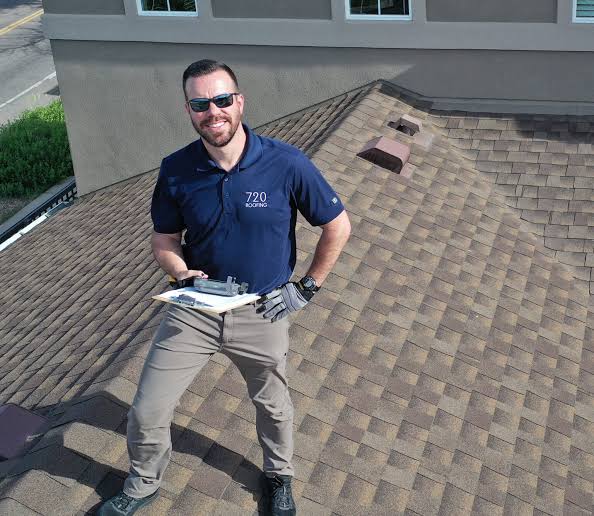

Your roof is one of the most important protective features of your property. It shields the interior from rain, wind, sunlight, and seasonal temperature changes while contributing to the home’s overall structural condition. When roofing problems develop, choosing the right professional becomes essential. Homeowners in Denver, PA, should understand how to evaluate roofing experience, installation practices, material options, and project expectations before hiring someone to work on their property.
Roofing projects involve more than installing shingles or repairing visible damage. A properly functioning roofing system includes underlayment, flashing, ventilation, roof decking, and drainage components. An experienced roofing company in Denver, PA, should evaluate these elements together to determine whether your roof needs maintenance, targeted repairs, or a complete improvement. Understanding the selection process helps you make a confident decision and avoid unnecessary expenses.
Why Choosing the Right Roofing Professional Matters
Poor roofing workmanship can create problems that remain hidden until water enters the building or roofing materials begin deteriorating prematurely. Incorrect fastening, inadequate flashing, and poorly installed underlayment can compromise an otherwise suitable roofing system.
A qualified professional evaluates the roof’s existing condition instead of automatically recommending replacement. This approach helps homeowners understand the actual problem and choose a solution based on the property’s requirements.
Proper installation also supports better drainage, weather resistance, and long-term material performance.
Important Qualities to Evaluate Before Hiring a Roofer
Before approving a roofing project, consider several factors that indicate whether a contractor is prepared to handle the work.
1. Relevant Roofing Experience
Roofing systems differ in material, slope, installation requirements, and complexity. Ask about experience with the specific roofing system installed on your home.
A professional should be able to explain how the existing roof will be inspected, which components require attention, and what installation methods are appropriate.
2. Proper Licensing and Insurance
Ask for documentation demonstrating applicable licensing and insurance coverage. In Pennsylvania, most home improvement contractors performing $5,000 or more of home improvements per year must register with the Pennsylvania Attorney General’s Office under the Home Improvement Consumer Protection Act. Homeowners can verify a contractor’s active registration through the state’s public contractor search. Registration is not an endorsement of a contractor’s competency or quality.
Ask the contractor to provide proof of commercial general liability insurance and workers’ compensation coverage. General liability coverage can help protect against covered property damage or personal injury claims, while workers’ compensation is important when an employee is injured while performing roofing work. Pennsylvania’s contractor registration requirements include minimum commercial general liability coverage, while workers’ compensation requirements are governed separately.
3. Clear Written Estimates
A detailed estimate should explain the proposed work, roofing materials, labor, removal of existing materials, and additional services.
Avoid approving a proposal that provides only a general price without explaining what the project includes.
Compare estimates based on their actual scope rather than selecting the lowest amount automatically.
4. Product and Workmanship Warranties
Roofing products and installation services can have separate warranty terms. Ask what each warranty covers, how long coverage lasts, and which conditions could affect eligibility.
Keep copies of product information, invoices, and completed project documentation for future reference.
Roofing Services Homeowners Commonly Need
Different roofing conditions require different professional solutions.
Roof Inspections
Inspections help identify damaged shingles, deteriorating flashing, loose components, ventilation concerns, and potential water entry points.
A professional assessment is useful after severe weather and before purchasing a property or planning major exterior improvements.
Roof Repairs
Localized damage does not always require complete replacement. Missing shingles, damaged flashing, loose ridge components, and isolated leaks can sometimes be corrected through targeted repairs.
The underlying cause must be identified before selecting a repair method.
Roof Replacement
When roofing materials deteriorate extensively or repeated repairs no longer provide dependable protection, replacement becomes a practical consideration.
The process involves evaluating the roof deck, selecting compatible materials, installing protective layers, and addressing ventilation requirements.
As a general reference, asphalt shingles commonly last about 20–30 years, metal roofs can last 50 years or more, and tile roofs may last 50–100 years. Actual service life depends on material quality, installation, weather exposure, and maintenance.
Roof Maintenance
Routine maintenance includes checking visible roofing components, keeping gutters clear, and examining areas around chimneys, vents, and skylights.
These activities help identify small problems before they develop into larger repairs.
Questions to Ask Before Starting a Roofing Project
A detailed conversation helps prevent misunderstandings during installation.
Consider asking:
- What specific roofing problems did the inspection identify?
- Does the roof require repairs or complete replacement?
- Which materials are suitable for my property’s roof design?
- Will damaged decking be replaced if discovered?
- How will flashing and roof ventilation be addressed?
- What is included in the written estimate?
- How will the work area be protected and cleaned?
A reliable professional should explain the answers clearly without using unnecessary technical language.
How Denver, PA, Weather Affects Roofing Maintenance
Seasonal weather conditions can influence roofing performance. Denver, PA, experiences cold winter conditions, with average January lows around the low 20s°F, while Pennsylvania’s climate brings freezing temperatures, snow, ice, and strong winds during the colder months. These conditions can contribute to ice dams, freeze-thaw stress, and storm-related roof damage.
Ice dams can form when snow melts and refreezes near roof edges, potentially allowing water to back up beneath roofing materials. Freeze-thaw cycles can also expose weaknesses in shingles, flashing, and other roof components. After heavy snow, ice, or high winds, homeowners should look for lifted or missing shingles, damaged flashing, blocked drainage areas, and signs of water intrusion.
Rain exposes weaknesses around flashing and roof penetrations, while strong winds can loosen vulnerable shingles and exterior components.
Homeowners should also understand how storm damage may affect an insurance claim. Contact the insurance company as soon as possible after a covered loss, document the damage with photographs or videos, and keep records and receipts for temporary repairs. Insurance policies can impose specific notification, proof-of-loss, or lawsuit deadlines, so homeowners should review their policy rather than assume a universal deadline. Some Pennsylvania property policies contain one-year suit limitations, while particular claim requirements can differ by policy and type of loss.
Keeping gutters clear is equally important because restricted drainage can allow water to collect near roof edges and affect fascia boards.
Conclusion
Selecting a roofing professional requires careful evaluation of experience, insurance, installation methods, material knowledge, and written project details. Whether your property needs an inspection, localized repair, or complete roofing improvement, understanding these factors helps you make an informed decision. Arrange a professional roof evaluation to identify existing concerns and maintain dependable protection for your Denver home.