
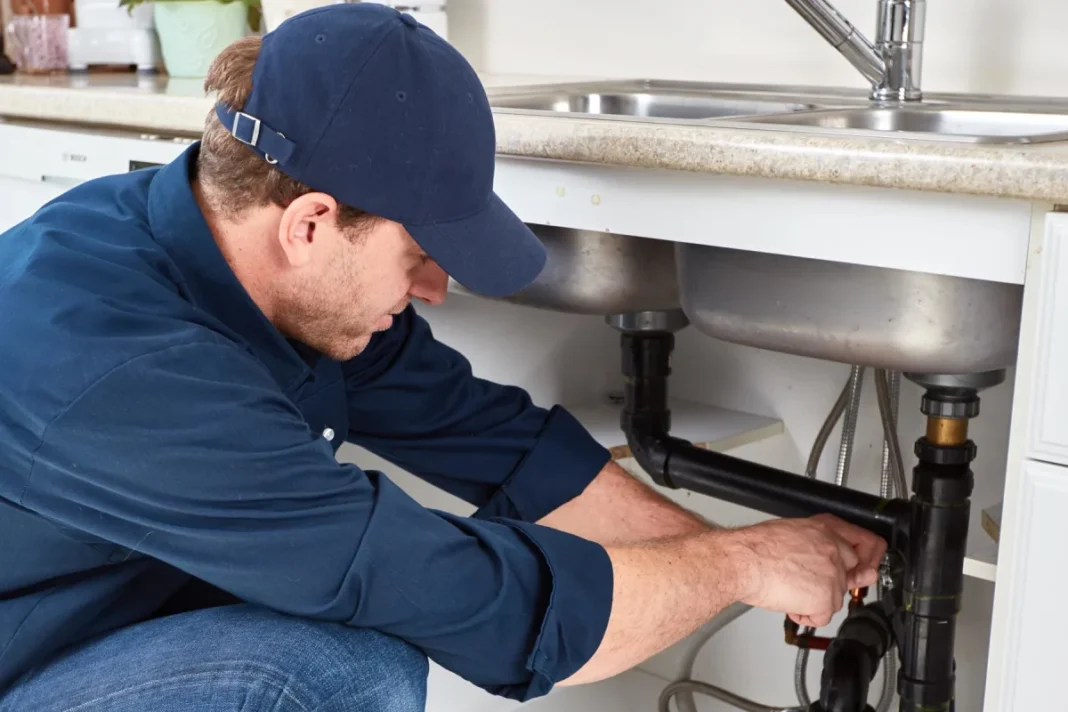

A dependable plumbing system is essential for everyday activities, including cooking, bathing, cleaning, and maintaining proper sanitation. However, pipes, fixtures, drains, and water connections experience regular wear. Small problems such as dripping faucets or slow drains can gradually develop into more serious concerns when ignored.
For homeowners seeking plumbing repair in Dallas, TX, understanding common plumbing failures makes it easier to recognize warning signs and arrange appropriate repairs. Temperature fluctuations, aging pipes, mineral deposits, and excessive water pressure can all affect residential plumbing performance.
Common Plumbing Problems That Require Professional Attention
Plumbing problems differ in severity, but early identification helps prevent unnecessary water damage and expensive repairs.
Leaking Pipes and Connections
Pipe leaks frequently develop around joints, fittings, valves, and aging connections. Even a small leak can waste water continuously and damage cabinets, flooring, drywall, or nearby building materials.
Watch for unexplained increases in water bills, damp spots, musty odors, and discoloration around plumbing fixtures.
A plumber can locate the source, evaluate the affected pipe, and determine whether tightening a connection, replacing a fitting, or installing a new pipe section is necessary.
Slab Leaks
Slab leaks occur when water lines beneath a concrete foundation develop leaks. In Dallas, expansive clay soil and slab-on-grade construction can contribute to plumbing movement and stress beneath homes.
Warning signs may include unexplained water usage, warm or damp areas on floors, the sound of running water when fixtures are off, or cracks and moisture around the foundation.
A plumber can use leak detection methods to identify the location and determine whether the affected line requires repair or replacement.
Low or Inconsistent Water Pressure
Weak water flow can make showers, faucets, and household appliances less effective.
A typical residential water pressure range is approximately 40 to 60 psi. Homeowners can use an inexpensive pressure gauge to check the reading at an outdoor hose bib and report the result to a plumber.
Possible causes include mineral buildup, partially closed valves, leaking pipes, clogged aerators, or pressure regulator problems. A pressure regulator controls incoming water pressure and helps maintain a suitable pressure level throughout the home’s plumbing system. When the regulator malfunctions, pressure may become too high, too low, or inconsistent.
If multiple fixtures experience reduced pressure, the problem might involve a larger section of the plumbing system rather than an individual faucet.
Running Toilets and Faulty Fixtures
A running toilet can waste a substantial amount of water over time. Common causes include worn flappers, faulty fill valves, incorrect float settings, and deteriorated seals.
Dripping faucets often result from damaged cartridges, washers, or internal valve components.
Replacing the defective component usually addresses the immediate problem without requiring complete fixture replacement.
Why Prompt Plumbing Repair in Dallas, TX Matters
Delaying necessary repairs can increase the amount of damage caused by plumbing failures.
A hidden pipe leak can weaken surrounding materials, encourage mold growth, and affect interior finishes. Persistent fixture leaks also increase water consumption.
Professional repair helps identify the underlying cause rather than treating only visible symptoms.
For example, repainting a water-stained ceiling does not resolve the problem if a leaking pipe or plumbing connection remains above it.
How Professional Plumbers Diagnose Plumbing Problems
Accurate diagnosis is the first step toward an effective repair.
A professional assessment generally involves several considerations:
System inspection: The plumber examines visible pipes, valves, fixtures, and connections for leakage, corrosion, and deterioration.
Problem identification: Symptoms such as pressure changes, unusual sounds, slow drainage, and water discoloration help narrow down possible causes.
Targeted testing: Depending on the issue, the plumber may use pressure testing, leak detection equipment, a water meter test, or camera inspection. Homeowners can also check the water meter when all fixtures are off; continued meter movement may indicate a hidden leak.
Repair planning: The recommended solution should address the actual defect and explain whether replacement or localized repair is appropriate.
Homeowners should receive clear information about the work, materials, expected costs, and any diagnostic fee before authorizing a project. They should also ask whether the diagnostic fee is credited toward the repair if they proceed with the recommended work.
Plumbing Problems That Require Immediate Action
Certain situations should never be postponed.
If a pipe bursts, shut off the main water supply when it is safe to do so. Move valuable belongings away from standing water and avoid electrical equipment in flooded areas.
Other urgent warning signs include:
- Water spreading rapidly across floors.
- Sudden loss of water pressure.
- Sewage backing up into fixtures.
- Persistent leaks near electrical installations.
- Water heater leakage accompanied by unusual noises or visible damage.
If sewage enters your home, avoid direct contact and arrange professional assistance.
Preventive Maintenance for Dallas Homes
Routine plumbing maintenance helps identify developing problems before they become emergencies.
Check under sinks periodically for dampness and loose connections. Avoid disposing of grease, cooking oil, wipes, and food scraps through household drains.
Clean faucet aerators when mineral deposits restrict water flow. Inspect toilet components when you notice continuous running or repeated refilling.
Know where your main water shutoff valve is located so you can respond quickly during a leak.
If your property has older plumbing, consider a professional evaluation to identify corrosion, outdated materials, and connections that require attention.
Restore Reliable Plumbing Performance
A properly maintained plumbing system supports household comfort, sanitation, and efficient water use. Professional plumbing repair in Dallas, TX helps address leaking pipes, faulty fixtures, inconsistent pressure, and other problems before they create extensive damage.
If you notice unusual plumbing behavior, arrange an inspection and discuss the appropriate repair options. Addressing the underlying issue promptly helps protect your property and restore dependable water service.