
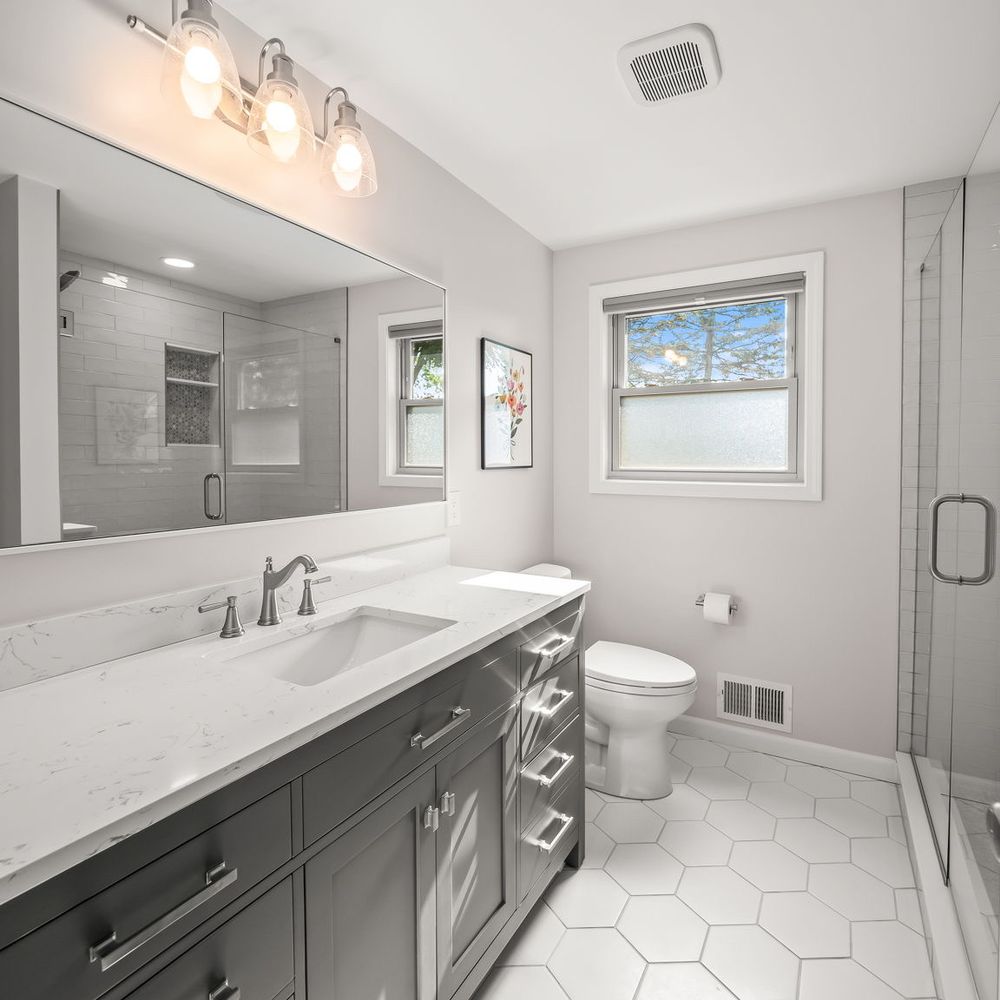

A bathroom renovation involves much more than replacing outdated fixtures. The right improvements can make the room easier to use, improve storage, address moisture concerns, and create a more comfortable daily environment. For homeowners in Ferndale, WA, thoughtful planning is essential because bathroom projects often involve plumbing, electrical work, ventilation, flooring, and wall finishes at the same time.
When planning a bathroom remodel in Ferndale, WA, begin with how you actually use the room. A practical design should reflect the needs of the household rather than simply following a short-term style trend. Consider who uses the bathroom, where storage is lacking, whether the current layout creates congestion, and which fixtures need replacement. This approach helps prioritize improvements that provide lasting value.
Start With the Bathroom Layout
The layout determines how efficiently the room functions. Before selecting finishes, review the position of the toilet, shower, bathtub, vanity, and door. Moving plumbing can increase project complexity, so keeping major fixtures near existing connections can sometimes make the renovation more efficient.
Measure the room carefully and account for door swings, cabinet clearance, shower access, and walking space. As a planning reference, allow at least 15 inches from the toilet’s centerline to a side wall or obstruction and at least 21 inches of clearance in front of the toilet. A shower should generally provide at least 30 inches by 30 inches of interior floor space, while a vanity is commonly installed around 32 to 36 inches high. A bathroom that looks attractive in a design plan still needs enough room for comfortable movement.
If the existing arrangement works well, concentrating on surfaces, fixtures, lighting, and storage can create a significant transformation without completely changing the plumbing layout.
Choose Materials for Moisture and Maintenance
Bathrooms experience frequent exposure to water and humidity, making material selection important. Flooring should provide appropriate traction and withstand regular moisture. Wall finishes around showers and tubs should be selected for wet-area performance and installed correctly, with a waterproofing membrane behind tile or other water-exposed wall finishes to help prevent moisture from reaching the wall structure.
Vanity materials also deserve attention. A beautiful countertop that requires demanding maintenance may become frustrating in a busy household. Choose surfaces based on durability, cleaning requirements, and how often the bathroom is used.
Improve Ventilation and Moisture Control
Effective ventilation is one of the most practical parts of a bathroom renovation. Excess humidity can contribute to condensation and moisture-related problems when it is not properly managed.
A properly sized exhaust fan should move humid air out of the room rather than simply circulating it. For a bathroom, a common minimum is 50 CFM for intermittent operation or 20 CFM for continuous operation, with the final selection based on room size and the ventilation design. The ventilation system should also discharge appropriately according to local building requirements. Keeping the bathroom dry after showers supports healthier surfaces and helps protect finishes.
Make Storage Part of the Design
Storage should be planned before cabinets and fixtures are finalized. Consider what the household actually stores, including towels, toiletries, cleaning supplies, and everyday personal items.
A vanity with useful drawer space can reduce countertop clutter. Recessed shelving, wall cabinets, or built-in niches can also make use of otherwise wasted areas. Even a small bathroom can feel more organized when every storage feature has a clear purpose.
Use Lighting in Layers
Bathroom lighting should support grooming, cleaning, and general visibility. A single ceiling fixture often leaves shadows around the vanity. Combining ambient lighting with well-positioned vanity illumination creates a more functional environment.
Choose fixtures that suit the room’s moisture conditions and follow appropriate electrical requirements. Bathroom lighting and nearby electrical outlets should also have appropriate GFCI protection where required. Lighting should also complement the finishes instead of overwhelming them.
Plan the Project Before Demolition
A successful renovation starts with a defined scope. Establish which fixtures, surfaces, cabinets, lighting, and plumbing components will change before work begins. Discuss the timeline, material selections, permits when required, and how unexpected conditions will be handled.
For planning purposes, a typical bathroom remodel may take several weeks, while costs can vary substantially based on the room size, materials, fixture selections, plumbing changes, and project scope. Establishing a budget and expected timeline before demolition can help reduce surprises.
A professional evaluation can also identify hidden issues behind walls or beneath flooring before they disrupt the project.
A well-planned Ferndale bathroom should look appealing while remaining practical for everyday use. Focus on layout, moisture management, durable materials, lighting, and storage, then choose finishes that support those priorities. Careful planning turns a bathroom renovation into a functional improvement that continues serving your household long after the project is complete.