
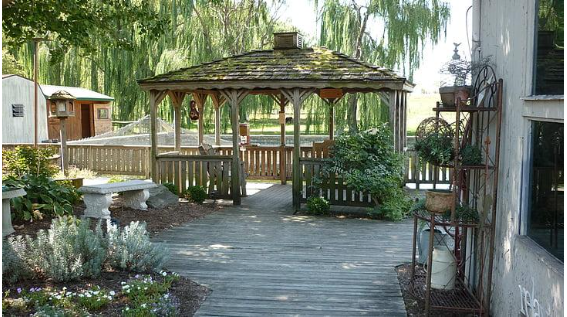

Outdoor living spaces have become a central focus in residential design, offering homeowners an opportunity to extend comfort and functionality beyond interior walls. Pergolas, in particular, play a significant role in shaping these environments. They define spaces, provide shade, and contribute to the overall character of a backyard.
As homeowners consider different materials and construction approaches, the question often shifts from immediate cost to long-term value. Alumawood pergolas, which combine aluminum durability with a wood-like appearance, have gained attention for their balance of aesthetics and performance. Understanding their value requires a closer look at how they function over time and how they contribute to both usability and property appeal.
The Role of Pergolas in Enhancing Outdoor Spaces
A pergola is more than a decorative addition. It establishes a sense of structure within an open area, creating a defined space for activities such as dining, relaxing, or entertaining. By controlling light and shade, it also improves comfort throughout the day.
From a design perspective, pergolas act as a bridge between architecture and landscape. They connect different elements of the backyard, helping to create a cohesive and intentional layout. This integration enhances both functionality and visual appeal.
Extending Usable Living Space
One of the primary advantages of adding a pergola is the ability to extend the usable area of the home. Covered or partially covered spaces allow homeowners to spend more time outdoors, even in varying weather conditions. This added functionality can make a noticeable difference in how the backyard is used on a daily basis.
When designed thoughtfully, a pergola can serve as an outdoor living room, complete with seating, lighting, and decorative elements.
Understanding Alumawood as a Material
Alumawood is engineered to replicate the look of natural wood while offering the structural benefits of aluminum. This combination addresses many of the challenges associated with traditional wood construction, particularly in terms of maintenance and durability.
The material is typically finished with a protective coating that resists fading, corrosion, and weather-related damage. This allows the pergola to maintain its appearance over time without requiring frequent refinishing or repairs.
Durability in Outdoor Conditions
Outdoor structures are constantly exposed to environmental factors such as sunlight, moisture, and temperature fluctuations. Alumawood pergolas are designed to withstand these conditions, making them a reliable option for long-term use.
Manufacturers like Royal Covers have developed systems that emphasize both strength and design flexibility. Their approach reflects a broader shift toward materials that combine performance with visual appeal.
Assessing Long-Term Investment Value
When evaluating a pergola as an investment, it is important to consider not only the initial cost but also the long-term benefits. These include reduced maintenance, extended usability of outdoor spaces, and potential contributions to property value.
For homeowners exploring these factors in more detail, reviewing insights on benefits of alumawood investment can provide a clearer understanding of how material choice influences overall value.
Reduced Maintenance Costs
One of the most significant advantages of alumawood pergolas is their low maintenance requirement. Unlike traditional wood, which may need regular staining or sealing, alumawood typically requires only occasional cleaning. This reduction in upkeep can lead to long-term cost savings.
Over time, the ability to maintain appearance and performance with minimal effort becomes a key factor in evaluating the overall value of the structure.
Consistency in Appearance
Alumawood pergolas are designed to retain their finish and color over time. This consistency ensures that the structure continues to complement the surrounding space without the need for frequent updates. For homeowners who prioritize a polished and uniform look, this can be a significant advantage.
The realistic wood-like texture also allows the pergola to blend seamlessly with a variety of architectural styles.
Integrating Pergolas with Outdoor Design Elements
A pergola should be considered as part of a larger outdoor design strategy. Its placement and style should align with other features such as patios, landscaping, and furniture. This integration creates a cohesive environment that enhances both functionality and visual harmony.
For homeowners looking to furnish their outdoor spaces effectively, resources like this guide to patio furniture can provide valuable insight into selecting pieces that complement the structure.
Creating Inviting Outdoor Environments
The combination of a well-designed pergola and thoughtfully chosen furnishings can transform a backyard into a welcoming retreat. Comfortable seating, appropriate lighting, and coordinated materials all contribute to the overall experience.
Exploring design ideas from sources such as this outdoor living inspiration can help homeowners visualize how different elements come together to create a functional and attractive space.
Installation and Structural Considerations
Proper installation is essential for ensuring that a pergola performs well over time. This includes preparing a stable foundation, securing the structure appropriately, and accounting for environmental factors such as wind and drainage. Even durable materials require careful planning to achieve optimal results.
Alumawood pergolas often feature prefabricated components that allow for precise assembly. This can streamline the installation process while ensuring consistency in both structure and appearance.
Adapting to Climate and Usage
The intended use of the pergola and the local climate should guide design decisions. In areas with intense sun exposure, the ability to provide consistent shade becomes particularly important. In regions with varying weather conditions, durability and resistance to moisture are key considerations.
Understanding these factors helps homeowners select a pergola that aligns with both their lifestyle and environmental conditions.
Long-Term Impact on Property Value
Outdoor improvements have become an important factor in property valuation. Well-designed outdoor spaces are often viewed as extensions of the home, adding both functional and aesthetic value. A pergola that enhances usability and complements the overall design can contribute positively to this perception.
Alumawood pergolas, with their combination of durability and visual appeal, are particularly well-suited for this purpose. Their ability to maintain appearance over time ensures that they continue to add value long after installation.
Final Thoughts on Alumawood Pergola Investment
Evaluating the value of an alumawood pergola involves looking beyond initial costs to consider long-term performance and usability. These structures offer a balance of durability, low maintenance, and aesthetic flexibility, making them a practical choice for modern outdoor living.
With thoughtful planning and integration into the overall design, an alumawood pergola can become a lasting feature that enhances both the comfort and character of a backyard. Its value lies not only in its appearance but in how it supports everyday outdoor living over time.