
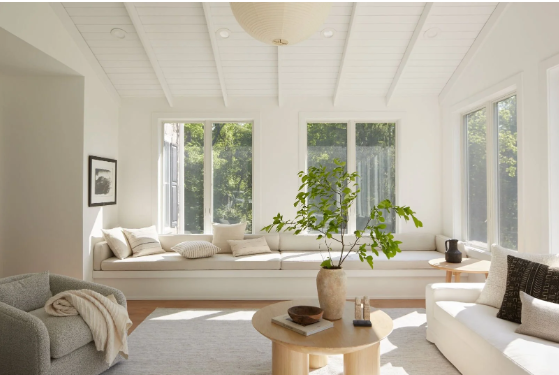

A home’s interior should feel like a genuine reflection of the people who live in it — comfortable, functional, and visually pleasing in ways that make daily life more enjoyable from morning to evening. Many people live with interiors that feel unsatisfying without clearly understanding why or where to begin making improvements. Meaningful changes to a home’s comfort and visual appeal do not always require complete renovations or significant financial outlay. Understanding the principles behind effective interior environments helps homeowners make targeted changes that deliver noticeable improvements from the very first day they are implemented.
Choosing a Cohesive Color Palette
Color has more influence on the psychological comfort of a space than almost any other single design element available to homeowners. Rooms featuring too many competing colors or mismatched tones can feel visually restless and unsettled even when individual furniture pieces and decor items are attractive on their own. Selecting a cohesive palette of two to four complementary tones creates visual harmony that makes a space feel deliberately composed rather than assembled gradually by chance.
Maximizing Natural Light and Layering Artificial Lighting
Light is the single most transformative element in any interior space, and both natural and artificial light should function as active design tools rather than passive background conditions that happen by default. Maximize natural light by keeping windows clear of heavy drapery during daylight hours, using lighter paint colors on walls opposite windows to reflect light deeper into the room, and positioning mirrors strategically to amplify and distribute natural illumination throughout the space.
Working With Thoughtful Interior Design Principles
Understanding the principles that professional interior design applies to space planning, proportion, balance, and material selection enables homeowners to make more purposeful and consistently successful decorating decisions. Scale is one of the most commonly misunderstood aspects of residential interior design — oversized furniture overwhelms compact rooms while undersized pieces make larger spaces feel sparse and disconnected from human scale. Arranging furniture to create conversation-friendly groupings rather than pushing everything against the perimeter walls makes rooms feel more intimate, more intentional, and more genuinely livable.
Decluttering and Improving Storage Solutions
No amount of stylish furnishing compensates for the visual and psychological noise that accumulated clutter creates in living spaces over time. Decluttering — genuinely assessing and removing items that serve no functional or meaningful purpose in the home — is one of the highest-impact improvements available at no financial cost whatsoever. Following thorough decluttering with thoughtful storage solutions ensures that necessary items have designated homes that keep them accessible without cluttering visible surfaces and shared spaces.
Adding Plants and Natural Elements
Incorporating natural materials and living plants into interior spaces consistently improves both the visual warmth of a room and the psychological comfort of the people who occupy it throughout the day. Indoor plants improve air quality measurably, add organic color and living texture that manufactured materials cannot replicate authentically, and create a connection to the natural world that carries genuine wellbeing benefits for most people across different age groups and lifestyles.
Conclusion
Creating a more comfortable home interior is achievable through careful attention to color, light, proportion, storage, and natural materials working together across each room. Even modest, well-targeted changes applied thoughtfully can transform how a space looks and feels on a daily basis for everyone who lives in it. The most satisfying interiors reflect the genuine personality and practical needs of the people who inhabit them, making honest personal vision the best possible starting point for any meaningful improvement project.