
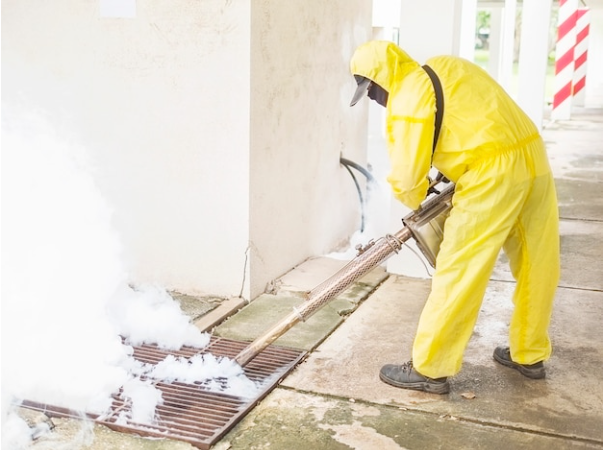

Asbestos can be found in older commercial buildings in materials such as insulation, roofing, flooring, walls, and other construction products. When these materials are damaged or disturbed, asbestos fibers can become airborne and create serious health concerns. Professional asbestos removal helps property owners address these materials carefully while reducing the risk of exposure to workers, occupants, and visitors.
1. Identifying Asbestos in Commercial Buildings
The first step in managing asbestos is determining where it may be present. Older commercial properties can contain asbestos in insulation, ceiling materials, cement products, pipe coverings, and other building components.
A qualified asbestos removalist can assess suspected materials and help determine whether professional testing or removal is required. Proper identification is important because disturbing asbestos-containing materials without appropriate precautions can release harmful fibers.
2. Importance of Professional Removal
Asbestos removal requires careful planning and appropriate safety procedures. Commercial property owners should avoid attempting to remove suspected asbestos materials themselves, particularly when large areas or damaged materials are involved.
Professional contractors have the knowledge, equipment, and procedures needed to control the work area and reduce the possibility of fiber release. Their experience can also help businesses manage removal work more systematically.
3. Preparing the Work Area
Before removal begins, the affected area should be properly prepared and controlled. This may involve restricting access, establishing containment areas, protecting nearby surfaces, and using appropriate protective equipment.
An experienced asbestos removalist can develop a work plan based on the location and condition of the asbestos-containing material. Proper preparation helps prevent unnecessary exposure and limits the spread of contaminated dust to other parts of the property.
4. Safe Asbestos Removal Procedures
Professional removal involves carefully handling asbestos-containing materials to minimize the release of fibers. Workers may use specialized equipment, controlled removal techniques, and appropriate waste-handling procedures.
The exact approach depends on the type, condition, and location of the material. Commercial properties may require additional planning because employees, customers, contractors, and other visitors could be present nearby.
5. Asbestos Waste and Site Cleaning
Removing asbestos is only part of the process. Materials containing asbestos must be handled, packaged, transported, and disposed of according to applicable requirements. The work area also needs appropriate cleaning after removal activities are completed.
A professional asbestos removalist can help manage these steps and ensure that debris and contaminated materials are handled safely.
6. Benefits of Professional Asbestos Management
Professional asbestos removal can help commercial property owners address hazardous materials while supporting a safer workplace and building environment. Proper planning can also reduce disruptions to business operations and help property managers understand the condition of affected areas.
Keeping records of inspections, removal work, and waste disposal can provide useful documentation for future maintenance, renovations, or property management decisions.
Final Thoughts
Professional asbestos removal is an important consideration for commercial properties where asbestos-containing materials may be present. Identification, work-area preparation, controlled removal, waste handling, and thorough cleaning all contribute to responsible asbestos management. By using qualified professionals and following applicable safety requirements, commercial property owners can address asbestos concerns more carefully and reduce potential risks to workers and building occupants.