

What Is Asbestos?
Asbestos is a naturally occurring mineral that was once widely used in construction due to its heat resistance and durability. It’s made up of very fine fibers that can become airborne if the material containing them is disturbed. The danger arises when these fibers are inhaled. While it’s no longer commonly used in new building materials, many older homes may still contain asbestos. Homes built between the 1940s and early 1980s are most likely to contain asbestos, particularly if they haven’t undergone significant renovations. Homes constructed between the 1940s and early 1980s are most likely to contain asbestos, particularly if they haven’t undergone significant renovations.
Common Locations For Asbestos Materials
Identifying potential asbestos in your home often involves looking at specific building materials. Common culprits include:
- Insulation: This can be found around pipes, boilers, and in attics. It might appear as a corrugated paper wrap or a fibrous material.
- Flooring and Ceilings: Asbestos was frequently mixed into vinyl floor tiles, the glue used to adhere them, and textured paints or plasters used on ceilings, like the popular “popcorn” texture.
- Exterior Materials: Some older siding, roofing materials, and even window caulking might contain asbestos for added strength and fire resistance.
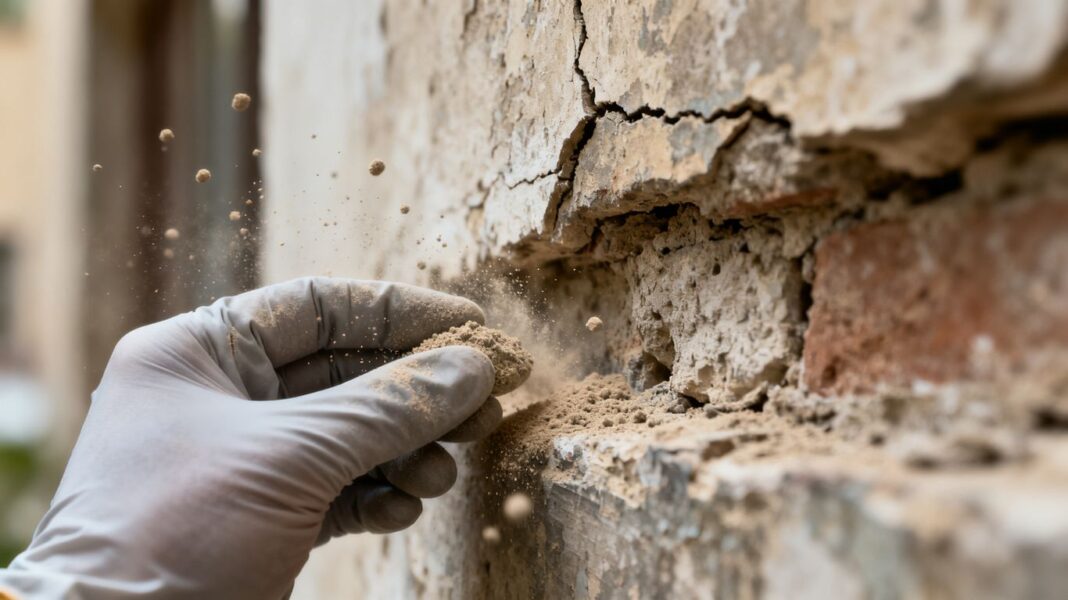
It’s important to note that asbestos fibers are often invisible to the naked eye. Asbestos, typically white, consists of matted, crumbly fibers that can become airborne if unbound or deteriorated. If you see materials that look like they might be asbestos, it’s best to proceed with caution.
Health Risks Associated With Asbestos Exposure
When asbestos-containing materials are damaged or disturbed, microscopic fibers can be released into the air. Inhaling these fibers is the primary health concern. Over time, these fibers can become lodged in the lungs, potentially leading to serious health issues. These can include:
- Asbestosis: A chronic lung disease causing scarring and shortness of breath.
- Lung Cancer: The risk of developing lung cancer is significantly increased with asbestos exposure, especially for smokers.
- Mesothelioma: A rare but aggressive cancer that affects the lining of the lungs, abdomen, or heart.
The risk and severity of these diseases depend on several factors, including the amount of asbestos inhaled, the duration of exposure, and individual health factors. Diseases related to asbestos exposure can take many years, often decades, to develop after initial exposure.
How To Test For Asbestos In Your Home
If you live in a home built before the 1980s, you might be wondering about the presence of asbestos. While it was once a common building material, its health risks are now well-known. The only way to know for sure if a material contains asbestos is through testing. This section will guide you through the options available for testing, from do-it-yourself kits to professional services.
When To Consider Testing For Asbestos
Several situations might prompt you to consider testing for asbestos. If you’re planning renovations or remodeling, disturbing old building materials can release fibers into the air. It is particularly important to test if materials are damaged or showing signs of wear, such as crumbling insulation or cracked tiles. Even if materials appear intact, if they are in an area prone to disturbance or if you simply want peace of mind in an older home, testing is a sensible step. Leaving undisturbed asbestos materials alone is often the safest approach, but knowing what you’re dealing with is key before any work begins.
DIY Asbestos Testing Kits: Pros And Cons
DIY asbestos testing kits offer a convenient way for homeowners to take initial steps. These kits typically involve collecting a sample of the suspected material and sending it to a laboratory for analysis. The primary advantage is cost-effectiveness and the ability to test materials on your own schedule. However, there are significant drawbacks. Improper sample collection can lead to inaccurate results, either a false positive or a false negative. More concerningly, incorrect handling during the sampling process can release asbestos fibers into your home’s air, creating a health hazard. These kits also do not provide information about the extent of asbestos throughout your property.
Professional Inspection Services For Asbestos
For definitive results and greater safety, professional inspection services are recommended. A qualified inspector has the training and equipment to safely collect samples without releasing fibers. They can identify materials that are likely to contain asbestos and understand the proper procedures for sampling. After collection, these professionals send the samples to accredited laboratories for accurate analysis. The Environmental Protection Agency (EPA) advises testing any materials suspected of containing asbestos by qualified professionals. This approach not only provides reliable results but also offers guidance on managing any asbestos found, ensuring your home remains safe. You can find accredited laboratories through various resources, including state environmental agencies or professional organizations that focus on building material testing.
Identifying Potential Asbestos Materials
Spotting asbestos in your home isn’t always straightforward, as it’s often hidden within common building materials. While you can’t definitively confirm asbestos just by looking, certain visual cues can raise suspicion. If you suspect a material might contain asbestos, the safest course of action is to avoid disturbing it and consult a professional.
Visual Indicators Of Asbestos Presence
Several types of materials and their condition can suggest the potential presence of asbestos. Keep an eye out for these signs, but remember that visual inspection alone is not conclusive proof:
- Textured Ceilings: “Popcorn” ceilings, often found in homes built before the 1980s, frequently contain asbestos.
- Pipe Insulation: Corrugated paper wrap or papery coverings on hot water pipes and furnace ducts, especially if they appear worn or are crumbling, could be asbestos-containing.
- Vinyl Floor Tiles: Older vinyl floor tiles, particularly those in 9-inch squares, and the adhesive used to secure them, may contain asbestos.
- Cementitious Products: Materials like fiber cement siding (often 1/8-inch thick) or roofing materials, known for their durability, were commonly made with asbestos.
Materials Commonly Containing Asbestos
Asbestos was widely used for its heat resistance and durability. Understanding where it was typically incorporated can help you identify potential problem areas:
- Insulation: Blown-in attic insulation, HVAC duct insulation, and thermal insulation around boilers and pipes are common culprits.
- Flooring: Vinyl floor tiles, sheet vinyl flooring, and the mastic (glue) used to adhere them can contain asbestos.
- Textured Paints and Coatings: Many older textured paints and ceiling plasters incorporated asbestos fibers.
- Exterior Materials: Asbestos-cement siding and roofing materials were popular for their longevity. Even window caulking and glazing might contain it.
- Other Products: Asbestos was also found in some adhesives, appliance components, and automotive parts like brake pads. Learn about common locations for asbestos materials.
The Importance Of Professional Identification
While visual indicators are helpful, they are not a substitute for professional testing. Disturbing suspect materials without proper knowledge or equipment can release asbestos fibers into the air, creating a health hazard. A trained and accredited asbestos professional has the knowledge to identify materials that may contain asbestos and can safely collect samples for laboratory analysis. This is particularly important if you are planning renovations or if materials appear damaged. Relying on professionals ensures that any potential asbestos is identified and managed correctly, protecting your home and its occupants. Asbestos can be found in a variety of products, making professional assessment the most reliable way to know for sure.
Managing Asbestos In Your Home
When To Leave Asbestos Materials Undisturbed
The presence of asbestos in a home does not automatically mean there is a health risk. Asbestos fibers are only dangerous when they become airborne and are inhaled. If asbestos-containing materials are intact, in good condition, and not in an area prone to disturbance, it is often best to leave them in place. This approach minimizes the chance of fiber release. The safest course of action is often to avoid disturbing asbestos materials altogether.
Consider leaving asbestos materials undisturbed if:
- The material is sealed or encapsulated.
- The material is in solid, good condition, showing no signs of crumbling or flaking.
- The material is located in a low-traffic area where it is unlikely to be bumped or damaged.
Situations Requiring Professional Asbestos Abatement
There are specific circumstances where professional intervention is necessary to manage asbestos safely. If asbestos-containing materials are damaged, deteriorating, or located in areas where they are likely to be disturbed, professional abatement is recommended. This is particularly true if the material is friable, meaning it can be easily crumbled by hand, which increases the risk of fiber release.
Professional asbestos abatement is typically required when:
- The asbestos-containing material is visibly damaged or deteriorating.
- The asbestos is in a location where it could be easily disturbed by occupants or pets.
- The material is friable and poses a risk of releasing fibers into the air.
- Planned renovations or repairs will involve disturbing the asbestos-containing material.
If you suspect asbestos is present and it appears damaged, avoid cleaning it yourself. Instead, keep people and pets away from the area and contact a professional. For guidance on safe handling and disposal, consult resources on asbestos management practices.
Understanding The Asbestos Removal Process
Asbestos removal, also known as abatement, is a complex process that should only be undertaken by trained and licensed professionals. Attempting to remove asbestos without proper training and equipment can lead to significant health risks due to the release of airborne fibers. Many states have regulations requiring licensed contractors for any asbestos removal work. The process typically involves several steps to ensure safety and compliance with regulations.
Key aspects of the professional asbestos removal process include:
- Preparation: This involves notifying relevant authorities, securing the work area with plastic sheeting, and shutting off HVAC systems to prevent fiber spread. A wetting agent is often applied to the asbestos material to minimize dust.
- Removal: Trained professionals carefully remove the asbestos-containing materials, taking care not to break them into smaller pieces.
- Cleanup and Disposal: All removed materials, disposable equipment, and protective clothing are sealed in labeled, leak-proof bags. The work area is then thoroughly cleaned using wet mops or HEPA vacuums. Proper disposal at approved facilities is also a critical step.
- Verification: After removal, air monitoring may be conducted by an independent contractor to confirm that asbestos fiber levels have returned to safe levels. It is important to obtain written assurance from the contractor that all procedures were followed correctly. If you must walk through an area that might contain asbestos, use a wet mop for cleaning to prevent the spread of harmful fibers.
Working With Asbestos Professionals
When dealing with potential asbestos in your home, bringing in trained professionals is often the safest and most effective route. While the idea of handling it yourself might seem appealing to save money, the risks associated with improper handling can be significant. It’s important to know who to call and what to expect.
Choosing A Qualified Asbestos Inspector
An asbestos inspector is your first point of contact for a thorough assessment. They are trained to identify materials that might contain asbestos, safely collect samples for laboratory testing, and provide a detailed report on their findings. When selecting an inspector, look for someone who:
- Can provide documentation of federal or state-approved training.
- Has a good track record with local regulatory agencies and consumer protection groups.
- Will conduct a complete visual examination and laboratory analysis of samples.
- Offers a written evaluation detailing the location and condition of any asbestos found, along with recommendations.
It is generally advisable to use a different firm for inspection than for any subsequent removal or abatement work to avoid conflicts of interest. This ensures an unbiased assessment of the situation.
Hiring An Asbestos Abatement Contractor
If asbestos is confirmed and requires attention, an abatement contractor will be needed. These professionals are equipped and trained to safely remove or manage asbestos-containing materials. When hiring a contractor, consider the following:
- Verify their accreditation and training for asbestos work.
- Request a written contract that clearly outlines the work plan, cleanup procedures, and adherence to all relevant regulations.
- Check their past performance and look for any history of safety violations.
Some contractors may offer repair options like sealing (encapsulation) or covering (enclosure) instead of full removal, which can be suitable for materials in good condition that are not likely to be disturbed. You can find local asbestos companies through various job boards if you’re looking for employment in the field [9b6a].
Ensuring Proper Asbestos Removal Procedures
Proper asbestos removal is a complex process that requires strict adherence to safety protocols. A qualified contractor should:
- Notify state or local authorities before beginning work, as often required by law.
- Use wetting agents to keep fibers from becoming airborne during removal.
- Seal off the work area with plastic sheeting and turn off HVAC systems.
- Dispose of all contaminated materials in sealed, labeled bags.
- Thoroughly clean the work site using wet mops or HEPA vacuums after the removal is complete.
Upon completion, it’s wise to get written confirmation that all procedures were followed. In some cases, independent air monitoring may be recommended after the work is done to confirm the area is safe. Professional inspection services [b98d] can help ensure these procedures are correctly followed.