
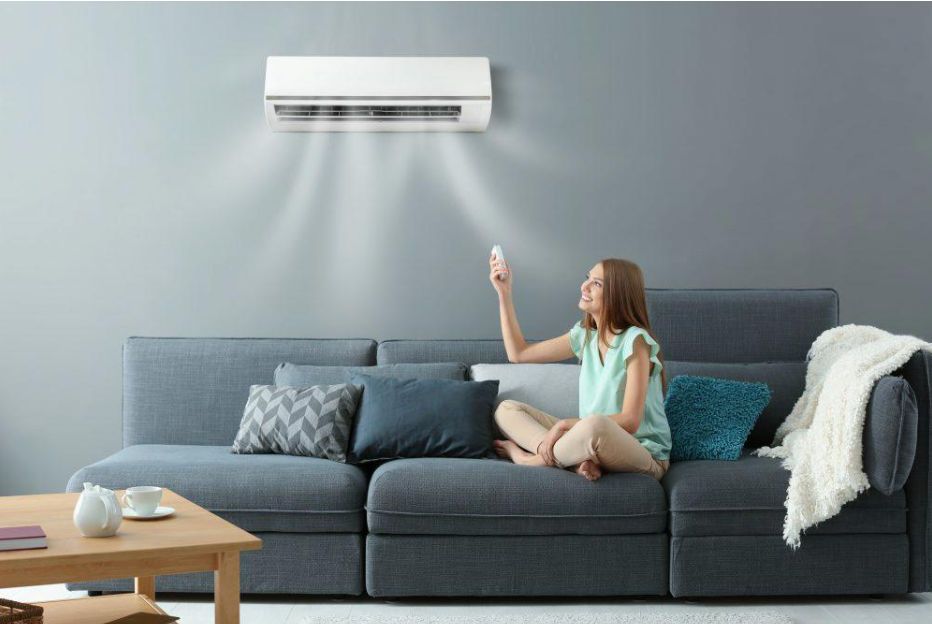

For the modern homeowner, the air conditioner is far more than just a tool to battle the summer heat; it is an essential component of the home’s health and financial ecosystem. Most people spend nearly 90% of their time indoors, yet we often overlook the invisible environment we inhabit daily. The quality of the air you breathe while sleeping, working, and relaxing is inextricably linked to the performance of your HVAC system. When managed correctly, your air conditioning unit becomes a powerful shield, filtering out pollutants and managing moisture levels. Prioritizing indoor air quality through smart AC solutions ensures that your home remains a safe sanctuary while simultaneously driving down the overhead costs of running a large-scale mechanical system.
In recent years, the intersection of health-conscious living and energy efficiency has become a primary focus for HVAC manufacturers. We are no longer in an era where high performance requires excessive energy consumption. Today, the most effective systems are those that operate with surgical precision, cooling your home through advanced filtration and variable-speed technology. By understanding how these components work together, you can create a living space that supports respiratory health and reduces your carbon footprint without sacrificing the crisp, cool comfort that makes American summers bearable.
The Financial Benefits of High-Efficiency Filtration
A common misconception among homeowners is that the air filter’s only job is to keep the air clean for the residents. While that is a primary function, the filter also serves as the gatekeeper for the HVAC system’s internal components. When you invest in high-efficiency filters—specifically those with a higher MERV (Minimum Efficiency Reporting Value) rating—you are protecting the evaporator coils from dust and debris. A clean coil allows for seamless heat exchange, meaning your system reaches the desired temperature faster and stays there with less effort.
The correlation between a clean system and lower utility bills cannot be overstated. When a system is bogged down by pollutants, the blower motor must work significantly harder to pull air through the home. This increased resistance leads to “amperage spikes,” where the unit draws more electricity to perform a standard task. By maintaining superior indoor air quality through frequent filter changes and advanced purification add-ons, you are effectively reducing the mechanical friction within your unit, which translates directly into lower monthly energy statements and a longer lifespan for your equipment.
Advanced Technology: Beyond the Standard AC
To truly optimize both air purity and cost savings, many homeowners are turning to specialized equipment that works in tandem with their central air units. These technologies address specific environmental challenges that a standard cooling cycle might miss.
Energy Recovery Ventilators (ERVs)
Modern homes are built to be airtight to save on heating and cooling costs, but this “tightness” can trap stale air and volatile organic compounds (VOCs) inside. An Energy Recovery Ventilator (ERV) solves this by swapping stale indoor air for fresh outdoor air. What makes it cost-effective is its ability to “capture” the cooling energy from the outgoing air and transfer it to the incoming fresh air. This means you get the oxygen-rich benefits of an open window without losing the expensive refrigerated air you’ve already paid for.
Whole-Home Dehumidifiers
In many parts of the United States, comfort is a matter of humidity rather than just temperature. High humidity makes the air feel “heavy” and warmer than it actually is, often prompting homeowners to lower the thermostat to 68°F just to feel dry. By integrated a whole-home dehumidifier into your AC solution, you can remove moisture more effectively than the AC can alone. This allows you to set the thermostat to a more efficient 72°F or 74°F while maintaining the same level of comfort, resulting in substantial seasonal savings.
Strategic Maintenance for Health and Savings
The most sophisticated AC solution in the world will fail to deliver results if it is not properly maintained. Think of your HVAC system like a high-performance vehicle; it requires regular calibration to stay efficient. A professional technician can identify “silent” issues—such as minor refrigerant leaks or clogged condensate lines—that force the system to run longer cycles. These extended cycles not only waste electricity but also allow moisture to sit in the ducts, which can compromise your home’s air purity over time.
- Upgrade to Smart Thermostats: These devices learn your patterns and reduce cooling loads when the house is empty, lowering costs by up to 15% annually.
- Seal the Ductwork: Leaky ducts can lose up to 30% of cooled air into attics or crawlspaces, while also sucking in dust and insulation fibers.
- Install UV Germicidal Lights: These lights sit inside the air handler and kill mold and bacteria on the coils before they can be circulated through your rooms.
- Use High-Quality Pleated Filters: Opt for MERV 11 to 13 filters to capture microscopic particles like smoke and viruses without restricting airflow.
- Maintain 2 Feet of Clearance: Keep the outdoor condenser unit free of shrubs and debris to ensure the system can “breathe” and dissipate heat efficiently.
The Role of Variable-Speed Technology
Traditional air conditioners are either “all the way on” or “completely off.” This creates a jarring cycle of temperature swings and high energy consumption. Modern solutions often feature variable-speed compressors, which operate like a dimmer switch rather than an on-off toggle. These units can run at 30% or 50% capacity for longer durations. This constant, low-level operation is incredibly efficient for your wallet, but it is also a game-changer for air health. Because the air is constantly moving through the filters at a steady pace, the system captures significantly more pollutants and provides superior humidity control compared to older, cycling models.
Conclusion
Investing in modern AC solutions is a rare “win-win” scenario for the homeowner. By focusing on high-efficiency filtration, moisture control, and smart maintenance, you are doing more than just lowering your energy bills; you are taking an active role in the long-term health of your family. A home with optimized air is a home that feels more comfortable, smells fresher, and costs less to operate. As energy prices fluctuate and environmental concerns grow, there has never been a better time to audit your home’s cooling strategy. Start with a professional inspection to see where your system stands and begin the journey toward a cleaner, more cost-effective indoor environment today.