

Choosing the right equipment for temperature control shapes how a home feels every day. Comfort is not only about staying cool in summer or warm in winter. It is about consistency, energy use, and long-term reliability. Many homeowners focus on brands or price first. The smarter approach starts with understanding how different systems work together. When choices are informed, indoor comfort becomes predictable and efficient.
Understanding Air Conditioning Maintenance Needs
Air conditioning maintenance refers to the routine inspection, cleaning, and servicing of cooling systems to keep them operating at peak efficiency. It includes tasks like filter replacement, coil cleaning, and refrigerant checks. These actions may seem minor, yet they have a measurable impact. A well-maintained system can improve cooling efficiency by up to 15 percent over neglected units. Regular attention also extends equipment life, reduces sudden breakdowns, and keeps indoor air quality stable. In the long run, air conditioning maintenance supports consistent temperature control and lowers operating costs.
Matching System Size With Home Layout
Temperature control starts with proper sizing. An oversized system cools or heats too quickly and shuts off before air circulates evenly. An undersized system runs constantly and still struggles to meet demand. Square footage matters, but so do ceiling height, insulation quality, and window placement. A detailed load calculation accounts for these variables. When equipment matches the home’s layout, comfort feels natural instead of forced. Energy waste drops, and the system experiences less mechanical stress.
Planning For House Furnace Installation
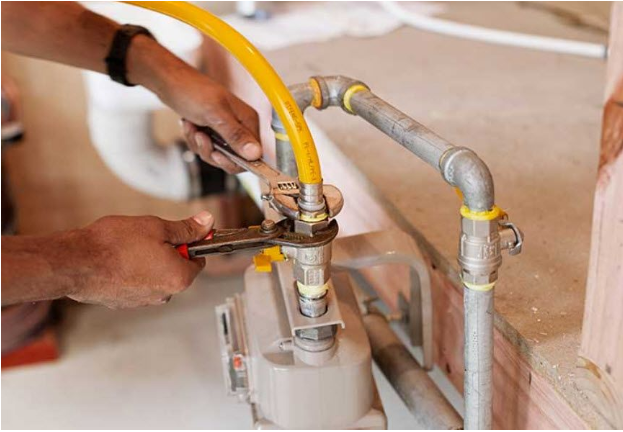
House furnace installation is the process of selecting and fitting a heating unit that distributes warm air efficiently throughout the home. It involves evaluating fuel type, airflow design, and compatibility with existing ductwork. A correctly installed furnace can convert more than 90 percent of its fuel into usable heat. Poor installation, by contrast, can reduce efficiency by double digits. Proper house furnace installation ensures even heat, quieter operation, and safer performance during peak winter months.
Balancing Efficiency And Climate Demands
Local climate plays a quiet but powerful role in equipment selection. Homes in warmer regions benefit from high-efficiency cooling systems with variable-speed compressors. Colder climates demand furnaces designed for sustained output during long winters. Efficiency ratings like SEER and AFUE provide guidance, but real-world performance depends on usage patterns. Equipment that aligns with climate demands runs less often and lasts longer. This balance reduces energy bills while maintaining steady indoor temperatures.
Integrating Smart Controls And Monitoring
Modern temperature control relies heavily on intelligent controls. Smart thermostats learn usage habits and adjust output automatically. Some systems monitor performance and alert homeowners when service is needed. These tools turn equipment into responsive systems rather than static machines. Over time, data-driven adjustments can cut energy use by 10 to 20 percent. Smart integration also makes it easier to coordinate heating and cooling cycles for year-round comfort.
Conclusion
Effective temperature control is never the result of a single decision. It comes from choosing equipment that fits the home, the climate, and daily living patterns. Attention to cooling upkeep and careful planning for heating systems both play critical roles. When equipment is selected with long-term performance in mind, comfort becomes reliable instead of seasonal. The right choices today create a home that feels balanced, efficient, and ready for every shift in temperature.