
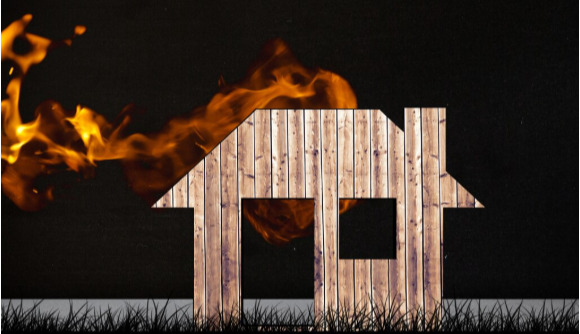

Fire risk has grown in many dry lands. Hot wind, dry brush, and long heat waves can push fire close to homes. A home in such a zone needs more than one line of defense. You must think of a multi-layer plan, so that each step adds a bit more care and protection, ensuring safety.
You do not need a full home renovation to start. Just small steps can add up. Roof care, fire coats, and yard checks are the most important. Here are some key ways to protect your home from wildfire.
Consider Spray Foam Roof Insulation
The roof is the main line of defense of your home, especially in fire zones. Heat and spark can land on top first. But a strong roof keeps hot air and smoke out. This is where spray foam insulation can help. Foam fills small gaps in the roof deck and joints. These gaps may look small, but they can let heat and air move fast. When foam seals them, the roof becomes safe. This also helps keep cool air in the home during the hot days. Less air leak means less use of cooling appliances. Over time, this can cut a lot of power use and electricity bills.
In fire zones, less air flow in roof gaps can slow how heat moves in your space. While foam is not a full fire protection, it adds one more line of defense in a full home plan.
Look for Wildfire Retardant Spray
Wood decks, sheds, and trim can catch fire fast in dry air. That is why fire coats are now a smart step in many homes near wildfire zones. A coat of wildfire retardant spray can add a thin guard on key wood parts.
Wildfire retardant spray ensures safety. If a hot ember lands on the wood, the coat can help delay the flame from rising. That short time can make a big change in how fire acts near the home. Many homeowners use this spray on decks, fence lines, and roof trim. Some also coat wood sheds or yard huts. However, for best use, the wood should be clean and dry. Dirt or damp can stop the coat from setting well. Many sprays even need a new coat after some years, based on sun and rain wear.
Assess Exterior Vulnerabilities
The exterior of the home is the first line of defense against fire in fire zones. A short check each year can help you identify and address risks early. You should start with the roof edge and vents. Open vents can let ash and sparks move in. But worry not. Fine mesh on vents can help stop this. But you must check if the mesh is clean and firm.
Moreover, you should look at the yard near the home. Dry leaves, wood piles, and tall grass can catch fire fast. You must keep a clear zone near the walls of the house. Many professionals say a few feet of clear space helps a lot.